
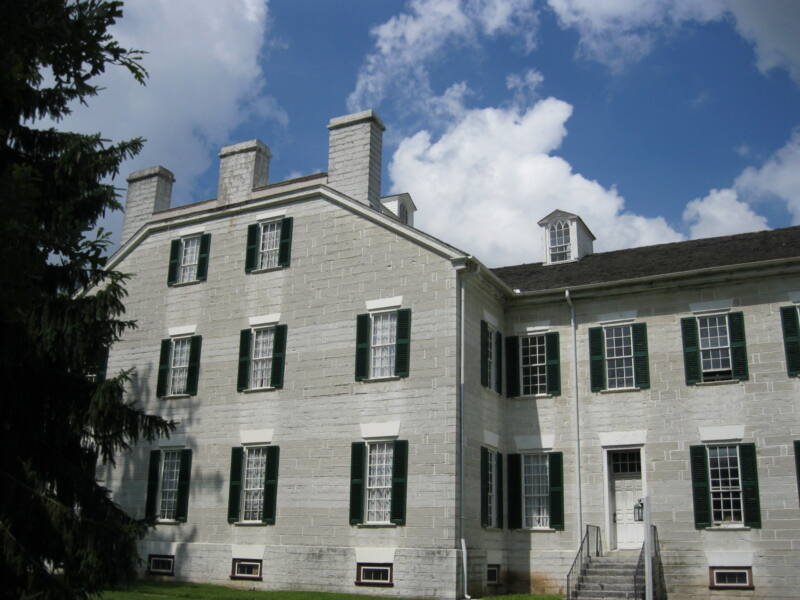
Have you ever met a Shaker? Probably not unless you’ve been to the Sabbathday Lake Shaker Village in Maine where two Shakers still reside in the only active Shaker village remaining. The other nineteen villages that once dotted the eastern states and Kentucky, Ohio and Indiana have long passed into history. Fortunately for history buffs, many of those villages have been restored with museums that show how Shakers once lived and thrived in those places. These pictures are some I’ve taken at the two Shaker Villages that once were active in Kentucky and are both now museums and historical sites.
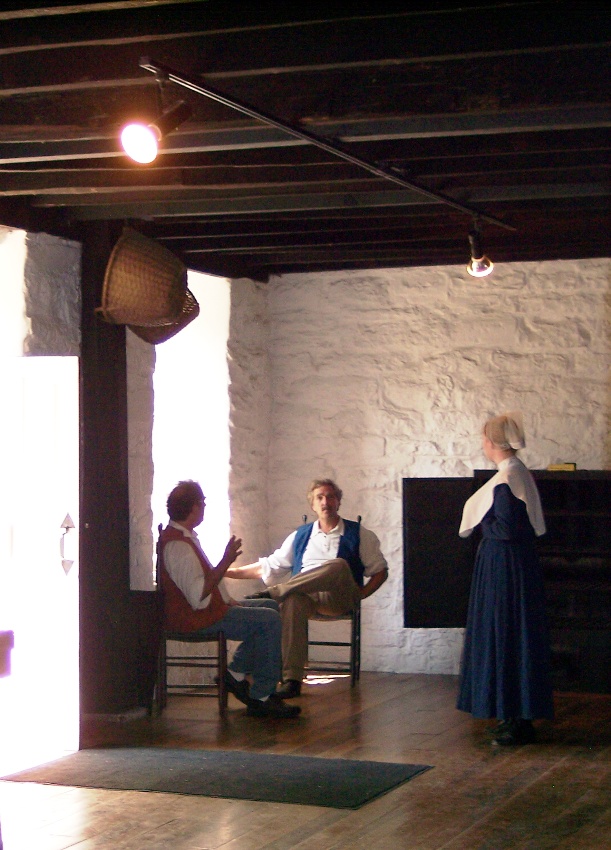
The Shakers were a religious group that called themselves the Society of Believers in the Second Coming of Christ. The founder of the group was Ann Lee, a woman born in England who brought a small group of eight followers to the new country of America in 1774. Those outside the society called the Society members Shakers because of how they were sometimes so overcome by spiritual emotion during their singing and dancing worship that they would tremble and shake.
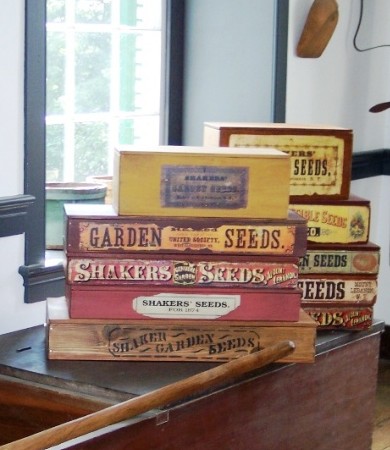
 The Shakers actually embraced this name originally coined in ridicule and used it on their seeds, elixirs and other products they sold to the “world” as the Shakers called those outside their villages. In fact, Shaker was probably the first trusted name brand in the United States.
The Shakers did have some beliefs that set them apart. They gathered their converts in villages they hoped would be like heavens on earth. They eschewed all manner of worldly trappings and sought peace and unity in all things. Because they intended their villages to be a heaven on earth, they were celibate because in the Bible (Matthew 22:30; Mark 12:20) Jesus says those that rise from the dead neither marry nor are given in marriage, but are like angels in heaven. Therefore, they, wanting to bring heaven to earth in their villages, didn’t allow marriages.
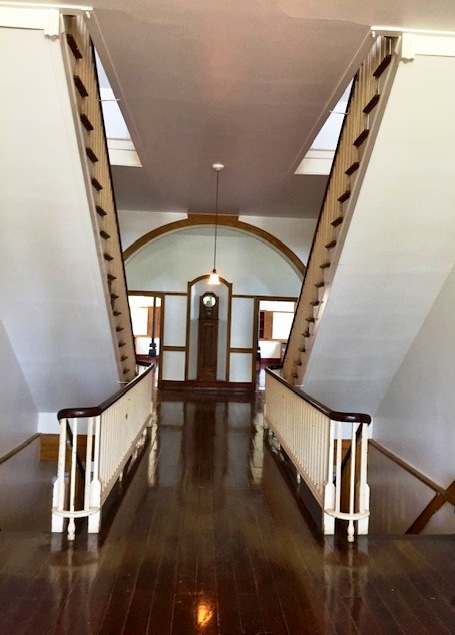
In their large houses, the men lived on one side of the hallways and the women on the other. The Shaker leaders were so serious about keeping their rules of living as brothers and sisters that they had two staircases in every house. That was to keep even an incidental touch on the stairways from plummeting their converts into sin, as they might say. It does appear they did understand human nature.
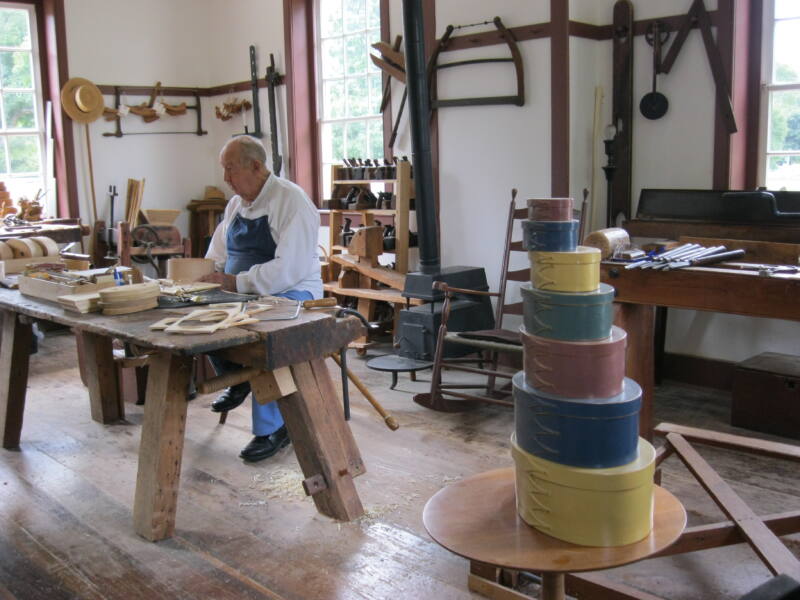
The Shakers’ most familiar saying is “Hearts to God. Hands to work.” The Shakers believed that work was a way to worship, and so every able-bodied Shaker member or aspiring convert had to work with their hands. Another of their sayings, attributed to their Mother Ann, was “Labor to make the way of God your own; let it be your inheritance, your treasure, your occupation, your daily calling.”
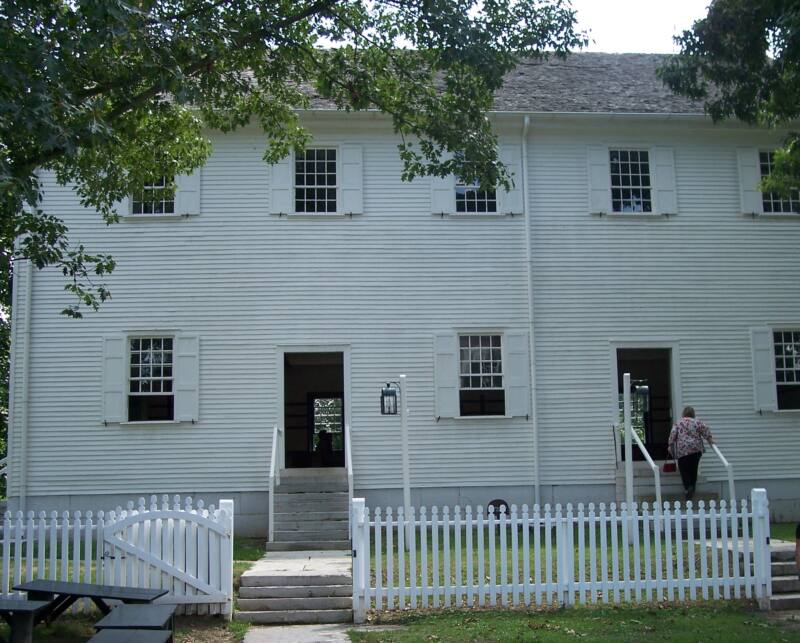
This call to work even included their ministry leaders, two brethren and two sisters, who lived apart from the rest of the community in order to remain unbiased in regard to any disputes that might arise in the village. These leaders lived in the upper floor over their meetinghouse and had their own private workshop close by.
One of the Shaker sayings was “Do your work as though you had a thousand years to live and as if you were to die tomorrow.” That was to encourage their members to work efficiently and at the same time, do the very best work they could. In the pursuit of this excellence and efficiency, the Shakers came up with many inventions in order to make their work easier and better. A Shaker sister is credited with inventing the circular saw when she observed the brothers using a crosscut saw and thought of how her spinning wheel worked. The Shakers were ahead of the times with the equality of the sexes. While work was divided along gender lines, women held leadership roles and were considered equals in the society. That was radical thinking for the 1800s.
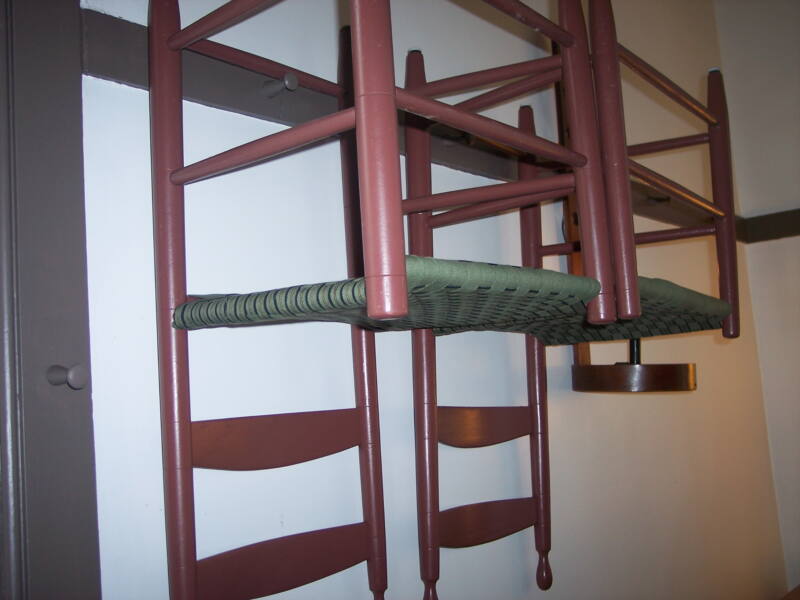
The Shakers were known for their fine craftsmanship in regard to the furniture they built and the structures in their villages. At a time when ornate design was popular, the Shakers made everything simple. They had a worship song “Tis a Gift to Be Simple.” One of their reasons for making furniture without decorative additions was to make them easier to clean. They had peg boards around every wall so they could hang things up off the floors to make sweeping easier. Their chairs were hung upside down to keep dust off the seats. Their beds had wheels to be more easily moved for cleaning under them.
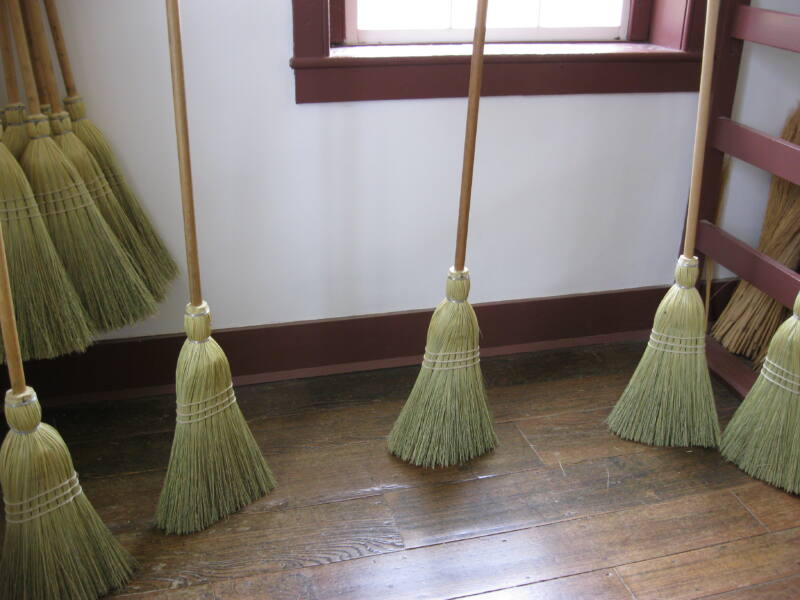
They not only crafted brooms and invented a machine to make the first flat brooms, they had worship songs where they acted out sweeping away sinful thoughts and actions while they sang. The Shakers staunchly believed in cleanliness as their Mother Ann told them “Good spirits will not live where there is dirt.” That went back to making their villages heavens on earth for dirt would not be in heaven.
At their peak in 1840, the Shakers had 6,000 members in their twenty villages. But times changed. After the Civil War, the Shaker products couldn’t compete with the similar things being made in the industrialized factories. Jobs were easier to find and people weren’t so ready to live by the Shaker rules. The main rules were communal property where a convert gave over ownership of any possessions to the Society, celibacy with all living as brothers and sisters, and confession. They also had many rules they hoped would contribute to the unity of their society such as wearing similar clothing and even rules on which knee should first touch the floor when they knelt to pray.
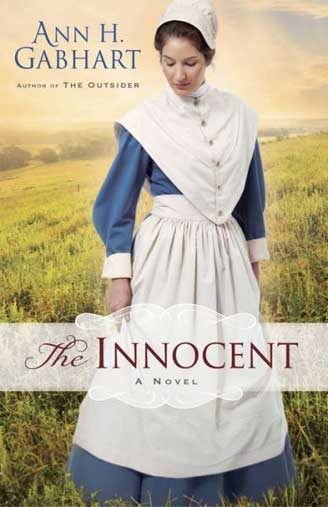 In my books, my characters find themselves at Shaker villages because of unexpected difficulties. They had to learn the Shaker Way and decide if they could walk that path. This was true for my main character in The Innocent, my Shaker book now on e-book sale at Amazon for 99 cents.
Did you enjoy the tour of a Shaker Village? Ever toured one of the Shaker historical sites in person?
Leave a comment on one of my posts before the end of August for a chance to win a copy of one of my Shaker novels. You must be at least 18 years old to enter. Each time you comment on a new post before the deadline for entries at midnight EST on September 1, 2026 will give you an additional entry.

(Portions of this post first appeared in Historical Romance Magazine)
Comments 16
When our daughter was in Albert Chandler Hospital in Lexington, Kentucky, in 1984, we parents and grandparents took a few hours away from the hospital and visited Pleasant Hill Shaker Village. We had a delicious lunch and I bought a cookbook. My most vivid memory, besides the good food, was seeing the chairs hanging on the pegs. I enjoyed your tour in this post.
Thank you for a fascinating look at life as a Shaker. I’ve always wondered if their vows of celibacy contributed to their membership decline. (Most people don’t want to live that way, and having babies would have helped to grow their numbers!)
Love Shaker Village
Always make a visit when I come
home. The food is wonderful and very
tastie.
We always make pictures and enjoy the shops.
Looking forward to reading your books.
Blessings
Sandra
Author
I haven’t visited the village for a while. I need to make another trip and enjoy a meal out in the restaurant and then take some more pictures. The gift shop is a fun place to look around too. If I go again, I just might buy a broom.
Yes, I enjoyed reading about the Shakers, but I have never toured one of their sites. I don’t believe I would have been a good Shacker, too many rules.
Author
I’m more than certain that I wouldn’t want to have been a Shaker. I like being a mom and wife too much. And the rules were numerous. But then again, I can imagine circumstances back in the 1800s that would have made going to live with the Shakers better than some other options for people then, especially for women who had no husband, father, or male relative to give them a place to live. Women had little way of making their own way in those days.
Thank you for your tour of Shaker history. So much information I didn’t know about the Shakers. I look forward to reading your books about the Shakers
Author
I hope you do give my Shaker books a try, Janet, and when you do that you’ll like visiting my fictional Shaker Village of Harmony Hill.
Thanks for a really interesting post.
Author
Glad you like going on the tour with me, Diana.
I’ve never been to a Shaker village. I do like reading stories about them.
Author
That’s good, Una, — that you like reading stories about Shakers. I appreciate you reading my books.
I’ve never been to a Shaker Village. It looks interesting, though! I do have a broom that my maternal grandmother made, though!
Author
Your grandmother’s broom has to be a treasure, Trudy. I bought one made by a friend’s husband once. Never had anyone in the family to make a broom that I know of, but I do have a rag rug made by my grandmother or my aunt. Not sure which, but it’s very old now.
I have been to Shaker Village in Harrodsburg many times. I have read three of your Shaker books and enjoyed them so much!
Author
That’s great, Dana. Thank you for reading some of my Shaker books. I never expected to write more than one. And after my editor talked me into writing two more, I said that was it. But then, I kept writing more. Not expecting to write any more now, but who knows. Never say never.